About Ksenai

AI visibility advisory with a data science and AI product foundation.

Ksenai helps companies understand and improve how they appear in AI-generated answers. The work combines AI visibility evaluation, answer optimization, business knowledge structure, and practical AI assistant design — led by a data science executive, not a marketer.

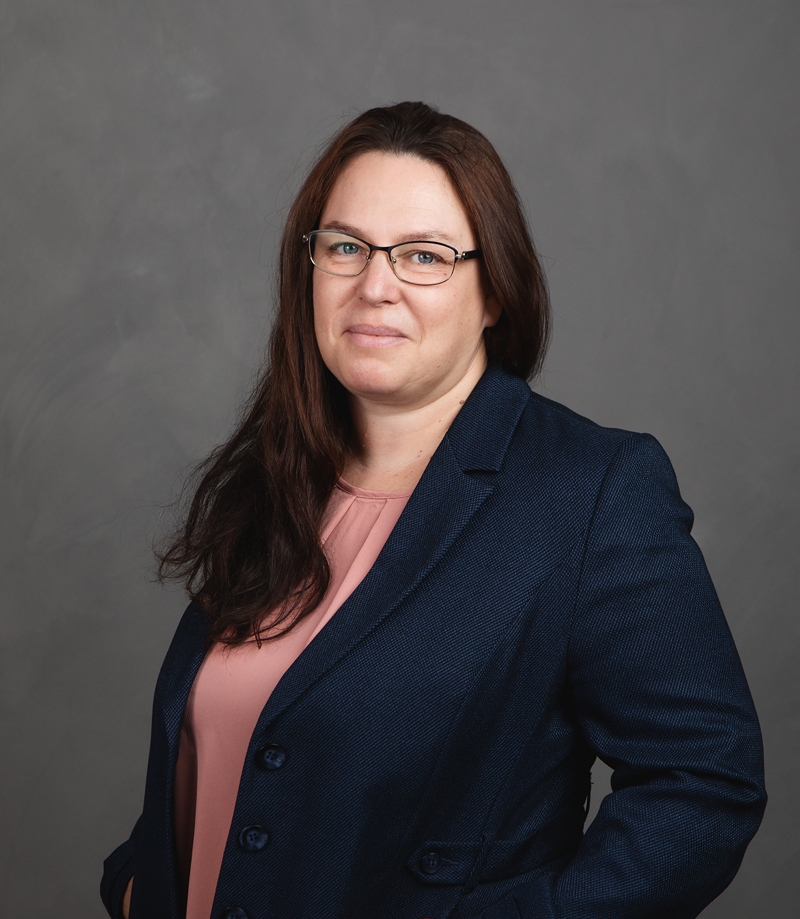
Ksenia Zybkovets, founder of Ksenai

Founder-led advisory for the AI search era.

Ksenai combines 25+ years in data science and analytics with hands-on AI product building, to help companies become easier for AI systems to understand, evaluate, and reference.

Data science AI product Answer optimization AI assistants
Founder

Founded by Ksenia Zybkovets.

Ksenai is led by Ksenia Zybkovets, a data science executive with 25+ years in data, risk and analytics, including 10+ years leading international data science teams across Europe and APAC. AI visibility is not a change of profession for her — it is an applied extension of the same work: ranking, signals, evaluation, and measurement, now turned toward how AI systems read and reference a business.

Data science leadership

25+ years in data, risk and analytics across FinTech and credit risk; 10+ years leading international data science teams, with deep experience in model evaluation, measurement, and decision systems executives can trust.

Hands-on AI product building

Not just advising on AI — building it. Ksenai is behind AO Engine, a working system of AI agents that tests how brands appear in AI-generated answers, and client-facing AI assistants built from approved business knowledge.

Why this matters for AI visibility

AI visibility is fundamentally a ranking, signals and measurement problem — exactly the discipline behind 25 years of data science work, now applied to LLM-driven search and answer systems.

Built, not just advised

An AI engine behind the advisory.

Most AI visibility advice is manual. Ksenai runs on AO Engine — a system of AI agents built in-house to test, measure, and structure how companies appear in AI-generated answers. The agents do the analysis at scale; the strategy, judgment, and accountability stay human.

Question planning

Agents define and structure the real buyer, category, and comparison questions used to test how AI systems describe a company.

Answer measurement

Dedicated agents run those questions across AI systems and measure how the brand appears: whether it is mentioned, how it is described, and which competitors come up.

Site and source analysis

Other agents analyse the website and its sources to find what makes a company hard for AI systems to classify, trust, and reference — turning findings into a practical roadmap.

The same hands-on approach produced a working client-facing AI assistant for MintYachting — a Super Yacht Concierge that helps clients explore charter options before speaking with a broker. Ksenai doesn't only recommend AI tools; it builds them.
Why Ksenai

Built for the shift from search results to AI-generated answers.

People increasingly ask AI systems to explain, compare, recommend, and summarize companies. This changes how businesses need to present their expertise online.

AI visibility is a knowledge structure problem.

Companies are not invisible only because of missing keywords. They are often hard for AI systems to classify, explain, trust, and connect to the right questions.

Beyond traditional SEO

Traditional SEO focuses on pages and rankings. AI visibility focuses on whether AI systems can understand, evaluate, and reference a company correctly.

From audit to action

Ksenai turns AI visibility findings into practical recommendations: what to clarify, what to restructure, what to explain, and what to measure.

Business knowledge first

AI systems need clear, consistent, and well-structured business knowledge. Ksenai helps make that knowledge easier to interpret.

AI assistants as a visibility layer

Custom AI assistants can help companies turn approved expertise into structured answers, client guidance, and repeatable knowledge access.

How Ksenai works

Clear diagnosis, practical recommendations, measurable next steps.

1

Understand the current state

We start by checking how your company appears in AI-generated answers and how clearly your services are represented online.

2

Identify gaps

We identify missing explanations, unclear positioning, weak trust signals, content gaps, and competitor visibility patterns.

3

Build a practical roadmap

You receive focused recommendations that can be implemented step by step without turning the project into a full website redesign.

Ksenai is designed for practical work: clear findings, focused recommendations, and improvements that help AI systems better understand what a company does and why it matters.
Start here

Start with a clear view of how AI systems describe your company.

A focused review shows where your company is visible, what AI systems misunderstand, which competitors are mentioned, and what should improve first.